

School Timeline
In the beginning …
How did we get to the USC School of Advanced Computing?
1905
USC College of Liberal Arts launches electrical engineering program.

1957
USC School of Engineering receives its first digital computer from the National Cash Register Corporation.
1965
Richard Bellman, the renowned pioneer of dynamic programming, joins the EE faculty, launching a program in biomathematics.

1965 or 1966
Over lunch with IBM, Professor George Bekey signs a “letter of intent” on a napkin to secure a new IBM 360-44 mainframe computer. This million-dollar machine builds upon Bekey’s unique hybrid digital-analog computers in the System Simulation Laboratory.

1972
The USC Signal and Image Processing Institute (SIPI) is where coding research began for the JPEG and MPEG standards used for digital image compression — enabling today’s selfies.
1972
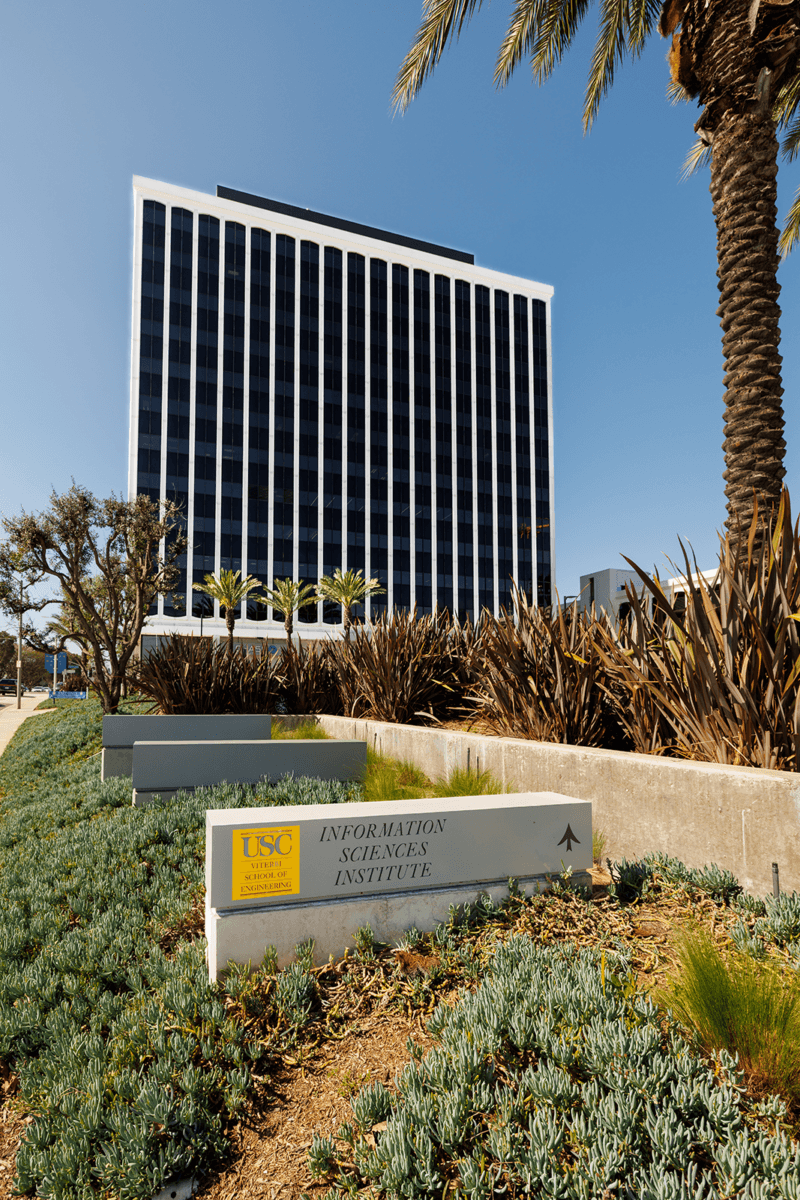
The USC Information Sciences Institute (ISI) is USC’s “crown jewel” research institute that helped design, develop and run the early internet.
1976
The Department of Computer Science is born, spun off from the USC Department of Electrical Engineering.
1982
The Communications Sciences Institute (CSI) is founded by a legendary group of USC electrical engineers known as “The Magnificent Seven”: Solomon Golomb, Bob Scholtz, Irving Reed, Charles Weber, William Lindsey, Lloyd Welch and Bob Gagliardi.
1983
While working at ISI, Paul Mockapetris and Jon Postel pioneered the Domain Name System, which introduced the .com, .edu, .gov and .org internet naming standards.
1999
The USC Institute for Creative Technologies (ICT) is established: a global leader in virtual humans, graphics, AI and mixed reality. ICT’s research has won two Academy Awards for films such as “Avatar,” “The Matrix” and “Gravity,” as well as pioneering VR exposure therapy used in over 170 clinical sites.

2009
USC Games, a joint initiative between the USC Viterbi School of Engineering and the USC School of Cinematic Arts, has been recognized as a top-ranked games program in North America since 2009 (Princeton Review).
2011
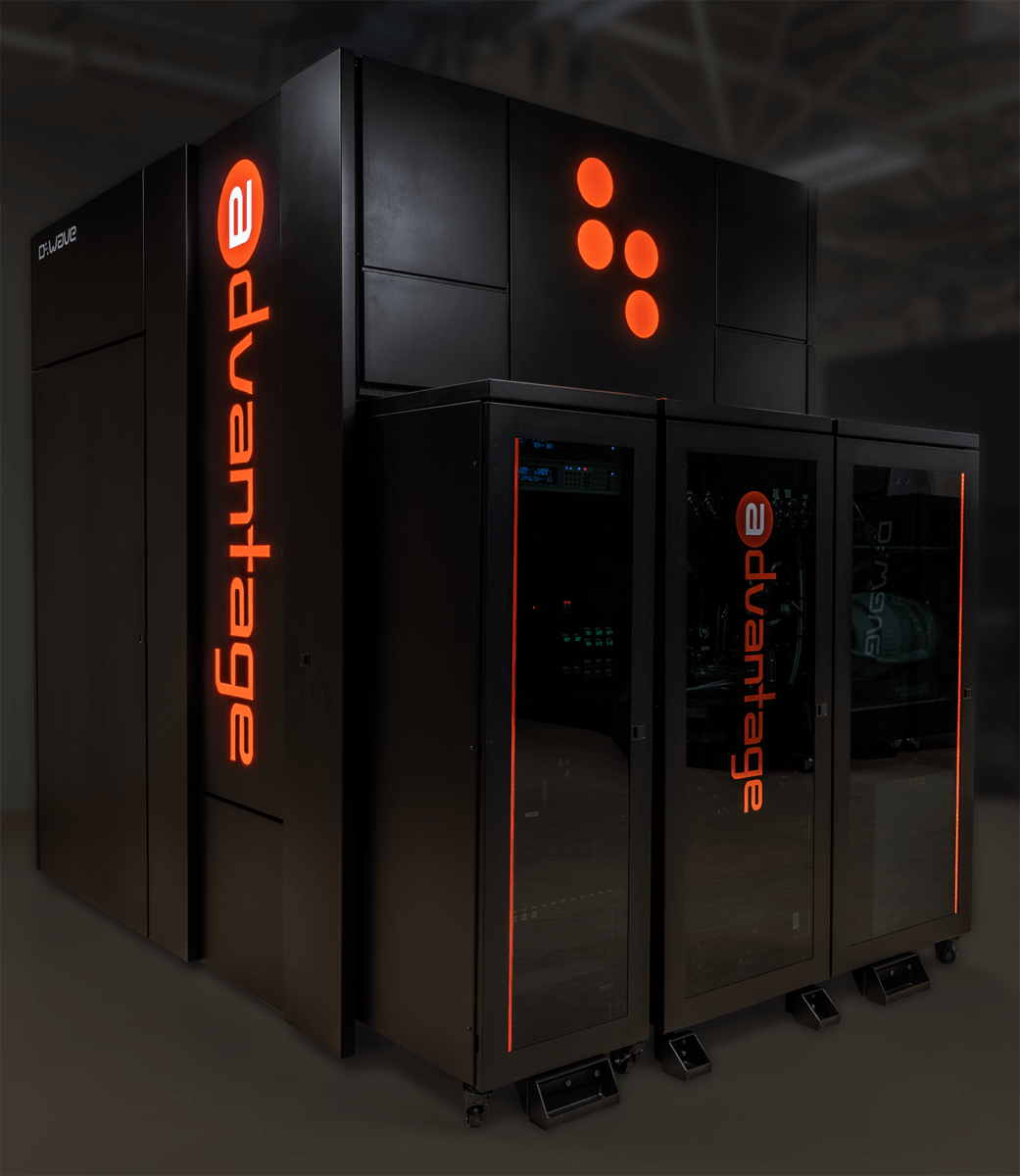
The USC-Lockheed Martin Quantum Computing Center (QCC), the first operational quantum computing system in academia, opens. Google and NASA follow in 2013.
2014
USC Marshall School of Business announces its Department of Data Sciences and Operations (DSO).
2016
The Center for AI in Society (CAIS) became one of the pioneering “AI for Good” centers in the U.S., uniting USC Viterbi and the USC Suzanne Dworak-Peck School of Social Work.
2021
The Department of Quantitative and Computational Biology (QCB) is formed at the USC Dornsife College of Letters, Arts and Sciences, allowing biologists to become high-level data analysts.
2023
The Center for Generative AI and Society: Amid the buzz about generative AI tools like ChatGPT, USC forms the research center with $10 million in seed money and influential experts from the fields of computer science, film, media, education and more.
2023
USC launches the single largest comprehensive academic initiative in the university’s history: Frontiers of Computing. The $1 billion-plus initiative, backed by a $260 million gift from the Lord Foundation, will create the new USC School of Advanced Computing and a new campus in Silicon Beach to apply high-tech solutions to the world’s biggest challenges.
2023
The Thomas Lord Department of Computer Science: Almost 50 years after its inception, USC’s computer science department celebrated the unveiling of its new name.
2024
Creation of the USC School of Advanced Computing (SAC), consisting of the Thomas Lord Department of Computer Science, the Ming Hsieh Department of Electrical and Computer Engineering and the soon-to-be-formed Division of Computing Education (DCE).
The school partners closely with USC Viterbi’s two powerhouse institutes, the Information Sciences Institute (ISI) and the Institute for Creative Technologies (ICT). The new school will act as a nexus for advanced computing research and education across the university.
2024
The grand opening of the new home of the School of Advanced Computing: the Dr. Allen and Charlotte Ginsburg Human-Centered Computation Hall, the first LEED Platinum-certified building at USC.

2026
USC Launches Transformational AI Initiative with One of the Largest Gifts in University History
A $200 million gift from venture capitalist Mark Stevens and his wife, Mary, will build on USC’s strengths by leveraging AI to accelerate breakthroughs in the health sciences, security, business and the arts. The USC School of Advanced Computing, which sits within the USC Viterbi School of Engineering, is renamed the USC Mark and Mary Stevens School of Computing and Artificial Intelligence.
