


USC School of Advanced Computing

Mark and Mary Stevens’ generosity will allow USC to leverage our existing interdisciplinary strengths and capitalize on these new opportunities at a critical inflection point for our society. As a top destination for AI talent, USC can accelerate our mission of educating future leaders, addressing real-world problems, and enhancing human values and agency.

We know the next great universities will be those that invest in computing. This is a key moment. I am confident that USC has the leadership and direction to run quickly and stake our position as the trailblazer.
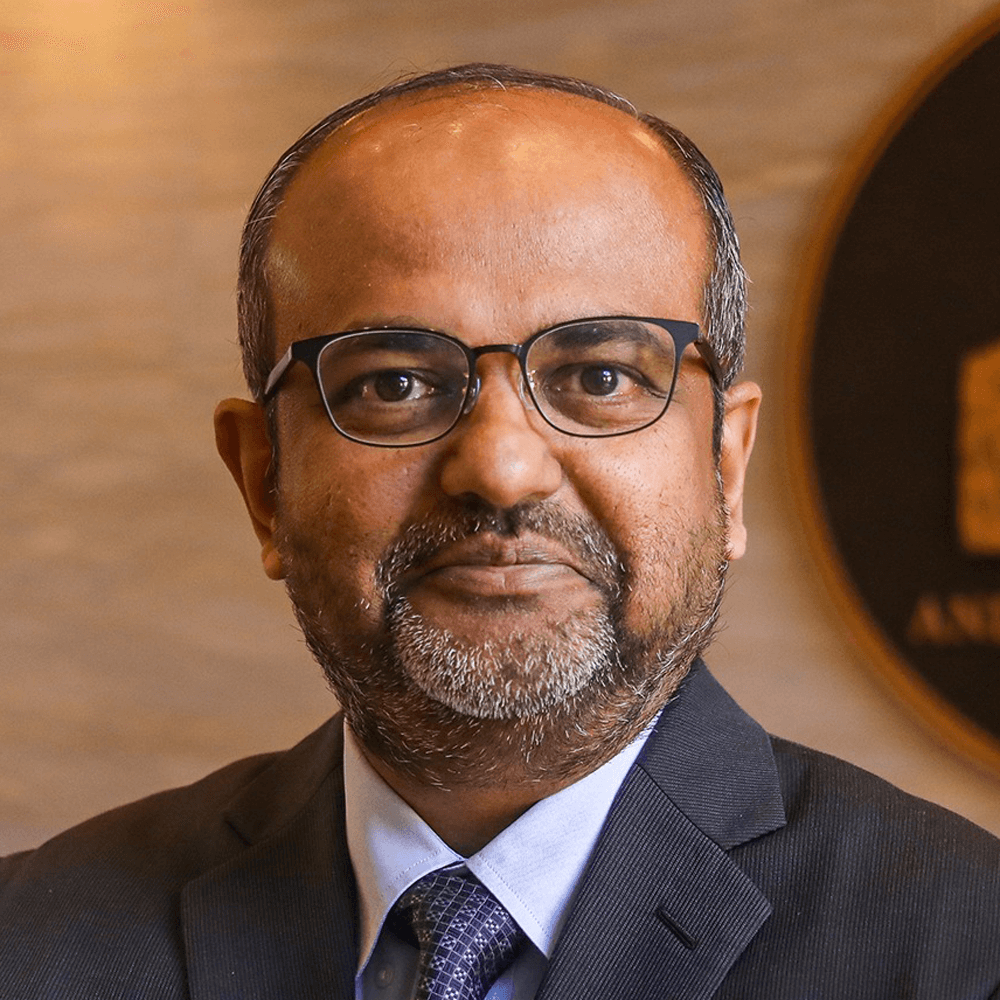
I cannot thank Mark and Mary enough for their generosity. The timing of their gift — which builds on the momentum of our launch, the opening of Ginsburg Hall and the rapidly growing impact of computing and AI on every field — has positioned USC to be a national and global leader for decades to come.


New Space Economy Forum
Tuesday, November 17, 2026 - 9:00am - 6:30pm
For the people building Southern California’s space economy
When scientists made the historic first detection of gravitational waves in 2016 — confirming a century-old prediction by Einstein — USC was behind the scenes making it possible.
USC ISI's Pegasus Workflow Management System had spent 15 years working with LIGO, automating the analysis of tens of terabytes of data and running millions of computational tasks that helped prove one of physics' greatest theories. The same software also generated the first physics-based probabilistic seismic hazard map of Southern California.
Today that tradition of AI-accelerated discovery continues across every scientific frontier: USC researchers have developed an AI model capable of simulating billions of atoms simultaneously to unlock new materials; AI tools are decoding the Earth's subsurface to advance CO₂ storage and energy resource management; USC scientists have built a system that can draft a full research paper in under an hour; and AI is compressing years of trial-and-error alloy discovery into weeks.
About The USC Mark and Mary Stevens School of Computing and Artificial Intelligence
Building on over 50 years of Trojan computing excellence — from the birth of the Internet to the first operational quantum computing system in academia — the USC Mark and Mary Stevens School of Computing and Artificial Intelligence (formerly named the USC School of Advanced Computing - SAC) is USC’s 23rd school.
The school, a unit within the USC Viterbi School of Engineering, is the epicenter of all computing-related activities across USC. Among the school’s many ambitious initiatives is to ensure that all USC students, regardless of major, are fluent in the ethical use of computing technology.
The school combines the Thomas Lord Department of Computer Science, the Ming Hsieh Department of Electrical and Computer Engineering, and the new Division of Computing Education. It also includes USC Viterbi’s two powerhouse institutes: the Information Sciences Institute (ISI) in Marina del Rey and the Institute for Creative Technologies (ICT) in Playa Vista. Additionally, through the creation of Affinity Faculty groups, the school includes faculty whose primary appointments are in computing-focused areas across all of USC’s other schools.

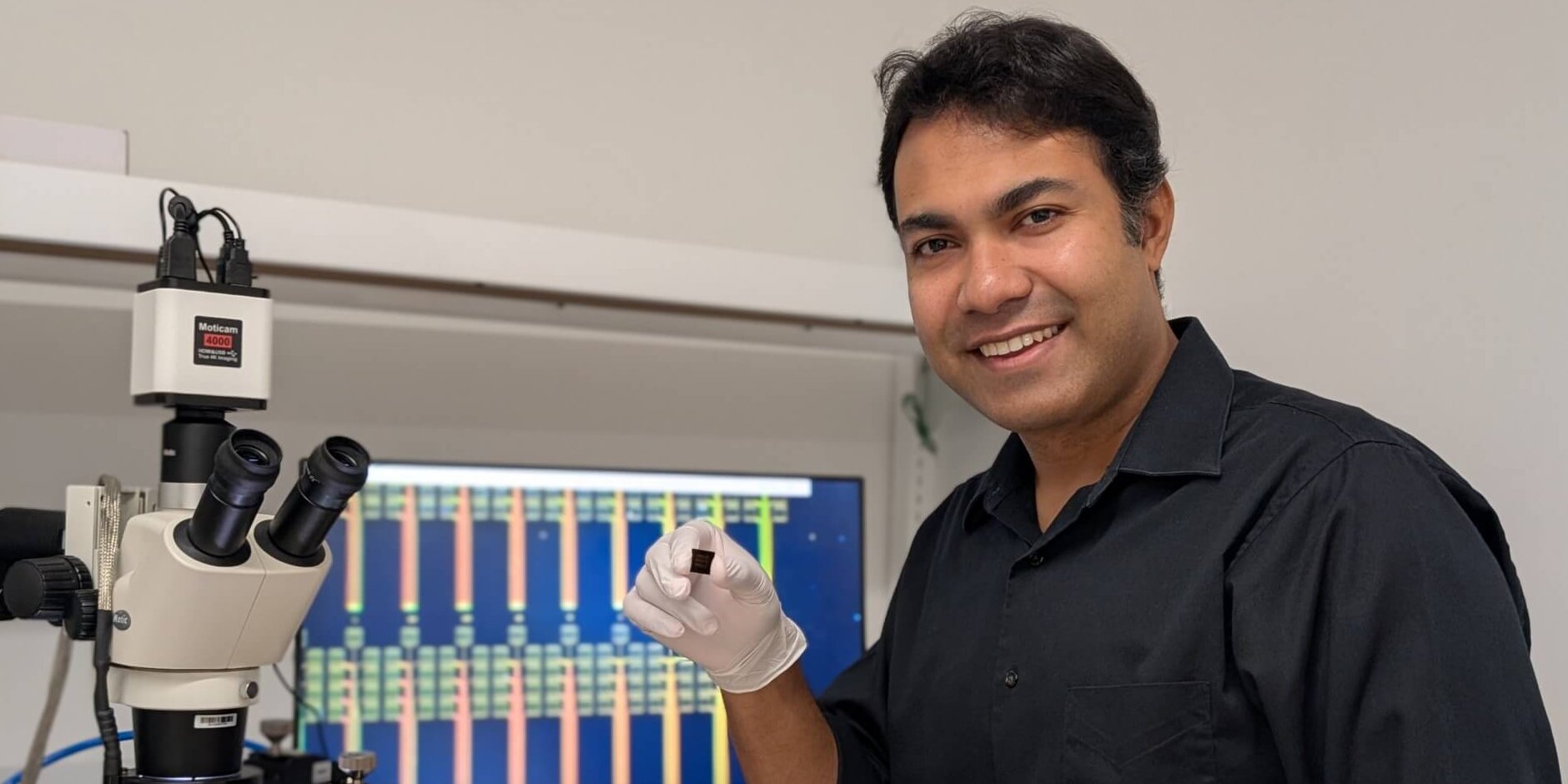



USC Viterbi has been a global pioneer in quantum computing.
In 2011, the USC-Lockheed Martin Quantum Computing Center at the USC Information Sciences Institute became the first academic institution in the world to house and operate a commercial quantum computer — a D-Wave One that prompted Google and NASA to follow with their own systems just two years later.
Today, USC remains the only university in the world with a dedicated on-site quantum computer, and in 2024 added the first IBM Quantum Innovation Center on the West Coast, giving researchers cloud access to IBM's most advanced systems.
Ranked among the top five graduate programs in quantum information science globally, USC Viterbi is training the next generation of quantum scientists while pushing the field forward - from demonstrating unconditional exponential quantum scaling advantage to probing exotic kagome superconductors.
